

Lockheed’s Lost Legends: The Odd Aircraft That Never Made It
Lockheed’s Lost Legends: The Odd Aircraft That Never Made It
Lockheed Martin is known today for sleek, dominant machines like the F-22, but the road to aviation mastery was paved with prototypes that range from the visionary to the downright bizarre. Here are six Lockheed designs that challenged physics and logic but never entered mass production.
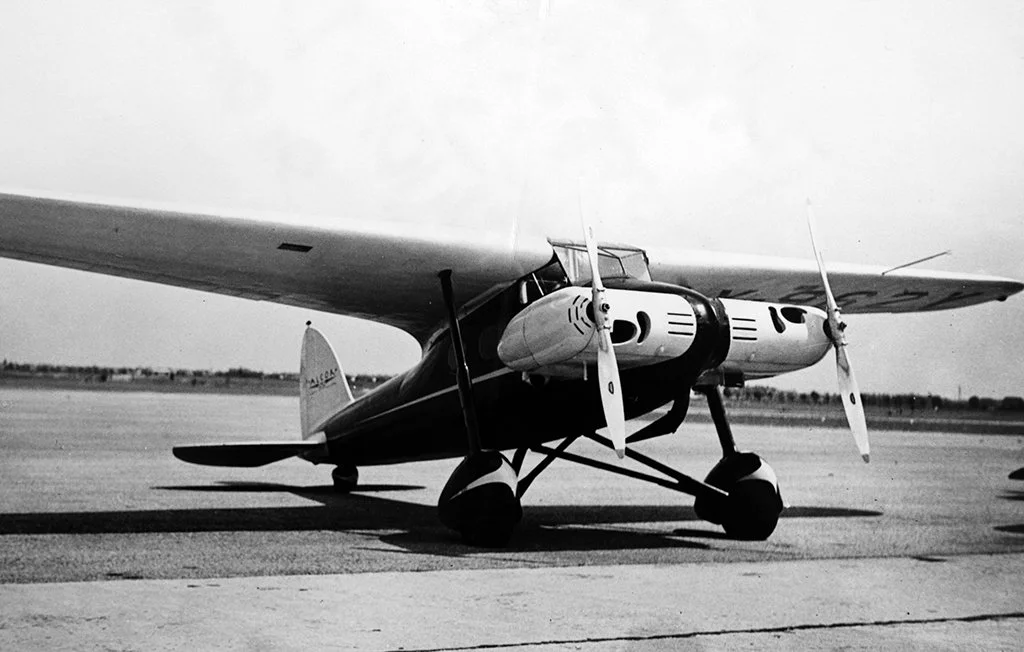
Alcor-Lockheed Duo-6 (1930)
The Alcor-Lockheed Duo-6 was an audacious attempt by Allan Loughead to redefine engine safety. Its most striking feature was the "Duo" engine arrangement: two engines were mounted horizontally side-by-side in the nose, driving independent propellers spaced close together. This aimed to eliminate the dangerous asymmetric thrust found in typical twin-engine planes while maintaining a slender fuselage. Despite demonstrating impressive single-engine performance, a lack of financial backing during the Great Depression caused the project to fade away.
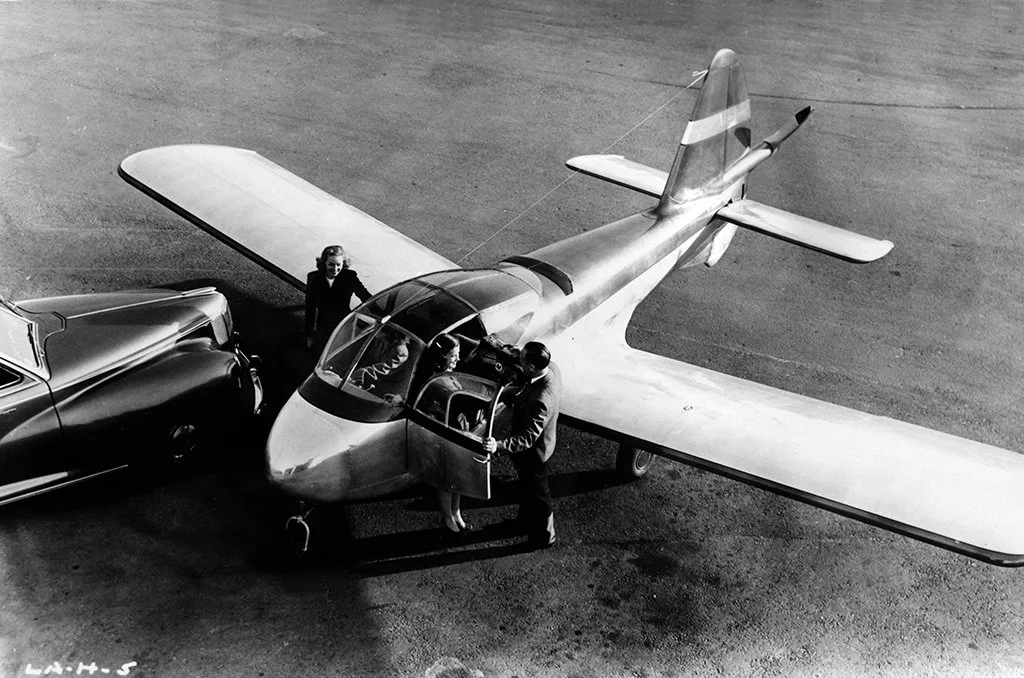
Lockheed Model 34 Big Dipper (1946)
Following WWII, Lockheed envisioned a future where every household owned a "flying car." The Model 34 Big Dipper was a quirky two-seat monoplane with a pusher-propeller at the extreme rear of the tail. This was intended to provide a quieter cabin and better visibility. While it was exceptionally easy to handle for amateur pilots, the anticipated post-war private aviation boom never materialized. After the sole prototype was damaged in a landing accident, Lockheed quietly shuttered the program.
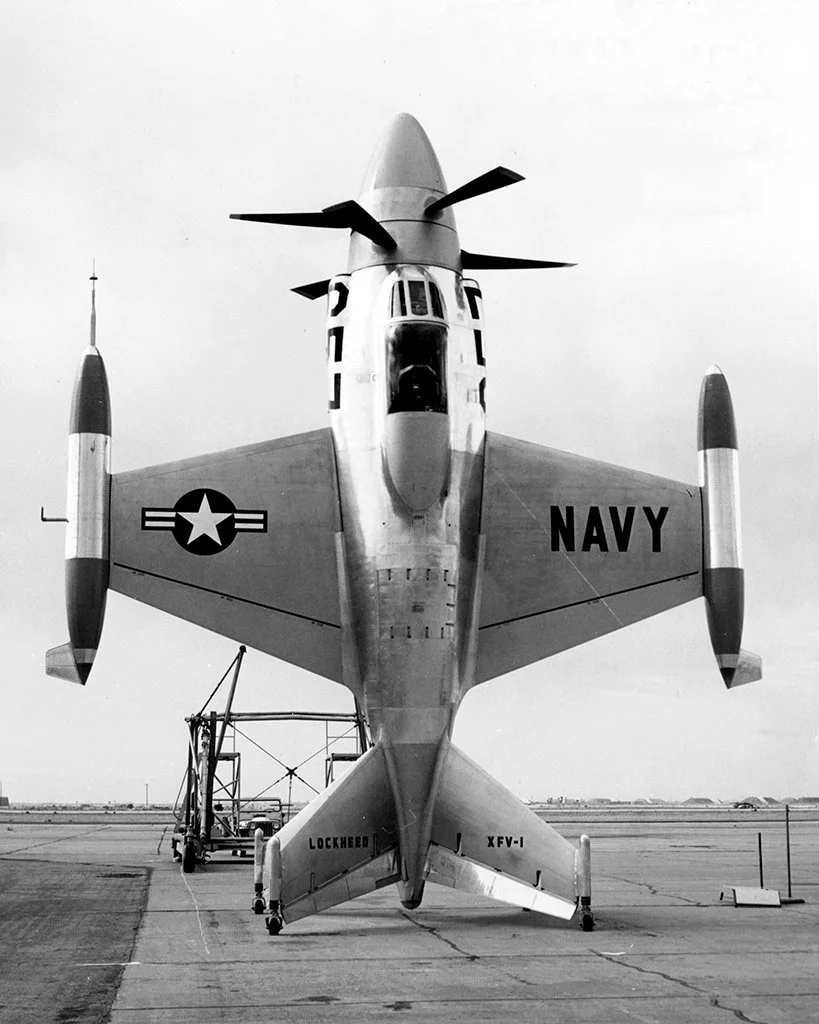
Lockheed XFV "The Salmon" (1955)
The Lockheed XFV, nicknamed "The Salmon" because of its vertical orientation, was a Vertical Take-Off and Landing (VTOL) fighter designed to operate from the decks of small ships. It sat on its tail with its nose pointing straight up. While it could successfully transition to level flight, landing required the pilot to "back down" toward the ground while looking over their shoulder—a maneuver that proved nearly impossible to master safely. As jet technology advanced, this propeller-driven tail-sitter became obsolete.
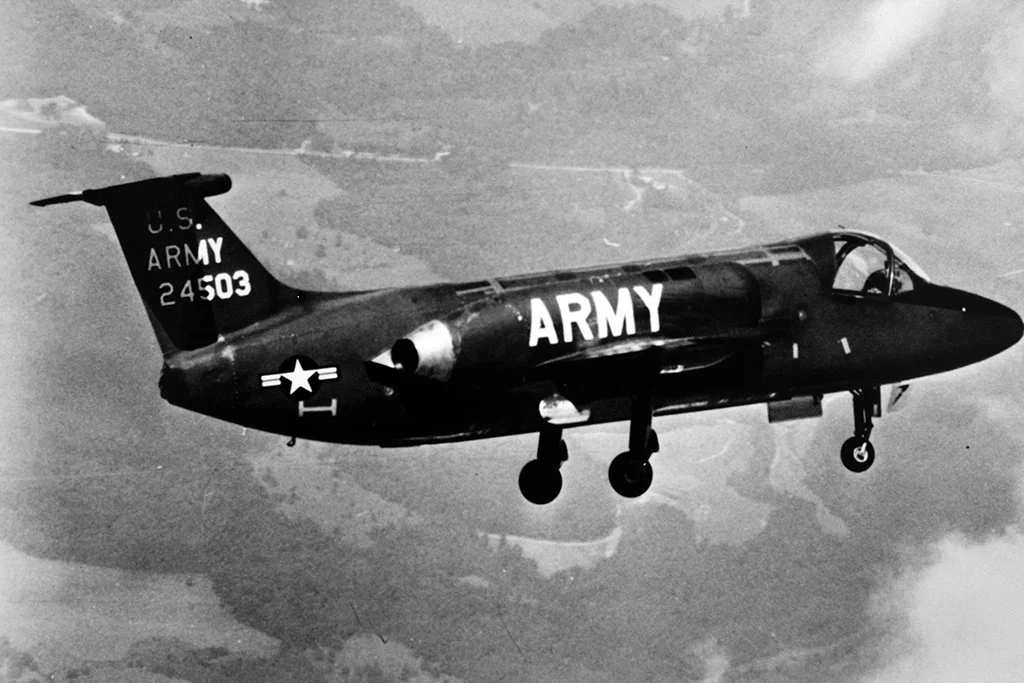
Lockheed XV-4A Hummingbird (1962)
The Hummingbird was a sophisticated experiment in "augmented jet lift." It diverted engine exhaust through ducts in the fuselage to mix with outside air, which was supposed to generate enough extra thrust to hover. In practice, the lift was far less efficient than predicted. The aircraft was left with almost no payload capacity or fuel endurance. After two prototypes were lost in accidents, the Army shifted focus to other technologies, leaving the Hummingbird as a failed experiment in fluid dynamics.
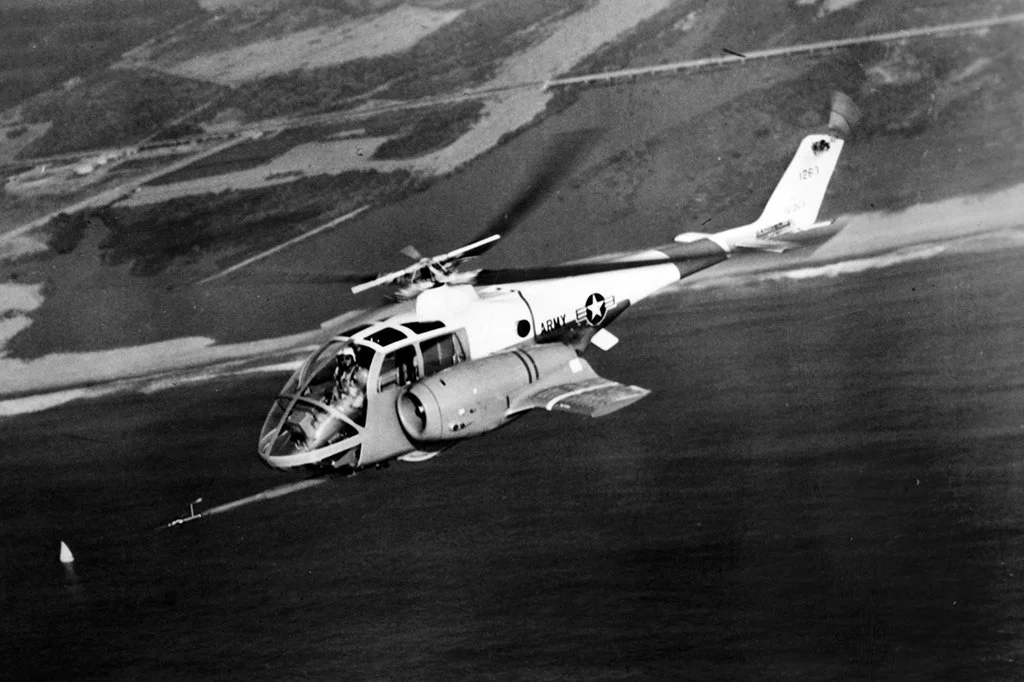
Lockheed XH-51A Compound Helicopter (1966)
To break the speed barriers of traditional helicopters, Lockheed built the XH-51A. It combined a rigid rotor system with stubby wings and a side-mounted turbojet engine. The jet provided forward thrust while the wings provided lift at high speeds, allowing it to exceed 300 mph—a staggering achievement for the 1960s. However, the mechanical complexity of managing three different propulsion and lift systems made it too expensive and difficult to maintain for military adoption.
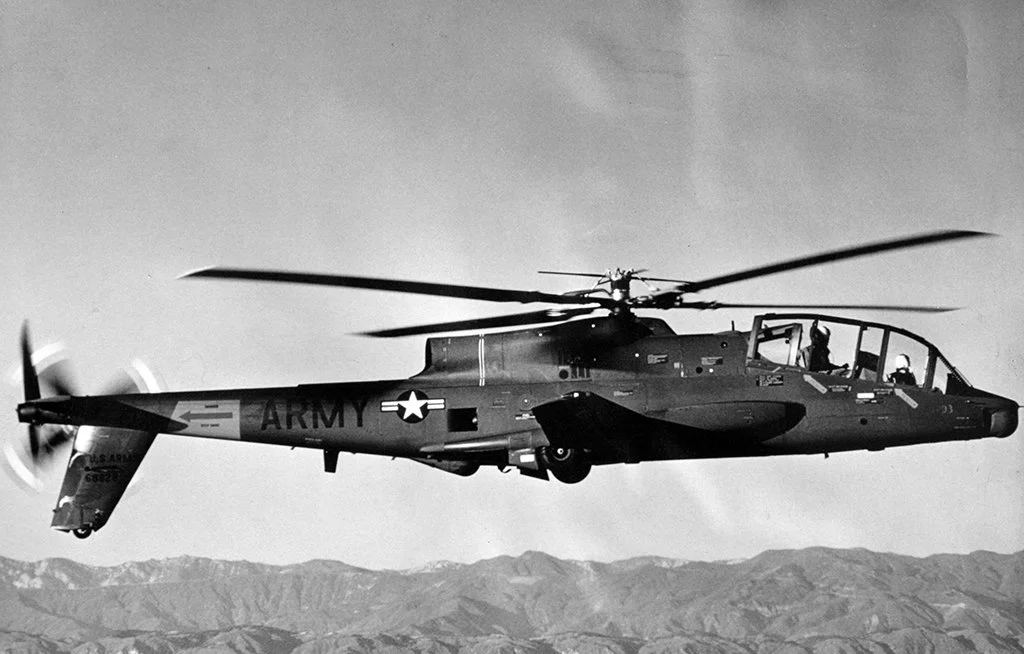
Lockheed AH-56A Cheyenne (1967)
The Cheyenne was perhaps the most advanced attack helicopter ever conceived. It featured a pusher propeller for high-speed dashes and a computerized fire-control system that allowed the gunner to aim just by moving their head. Despite its incredible performance, it was plagued by technical setbacks and ballooning costs. By the time the issues were resolved, the Army’s requirements had shifted, and the program was canceled in favor of what eventually became the AH-64 Apache.
