
Moreland Trucks: Burbank's Rolling Innovations
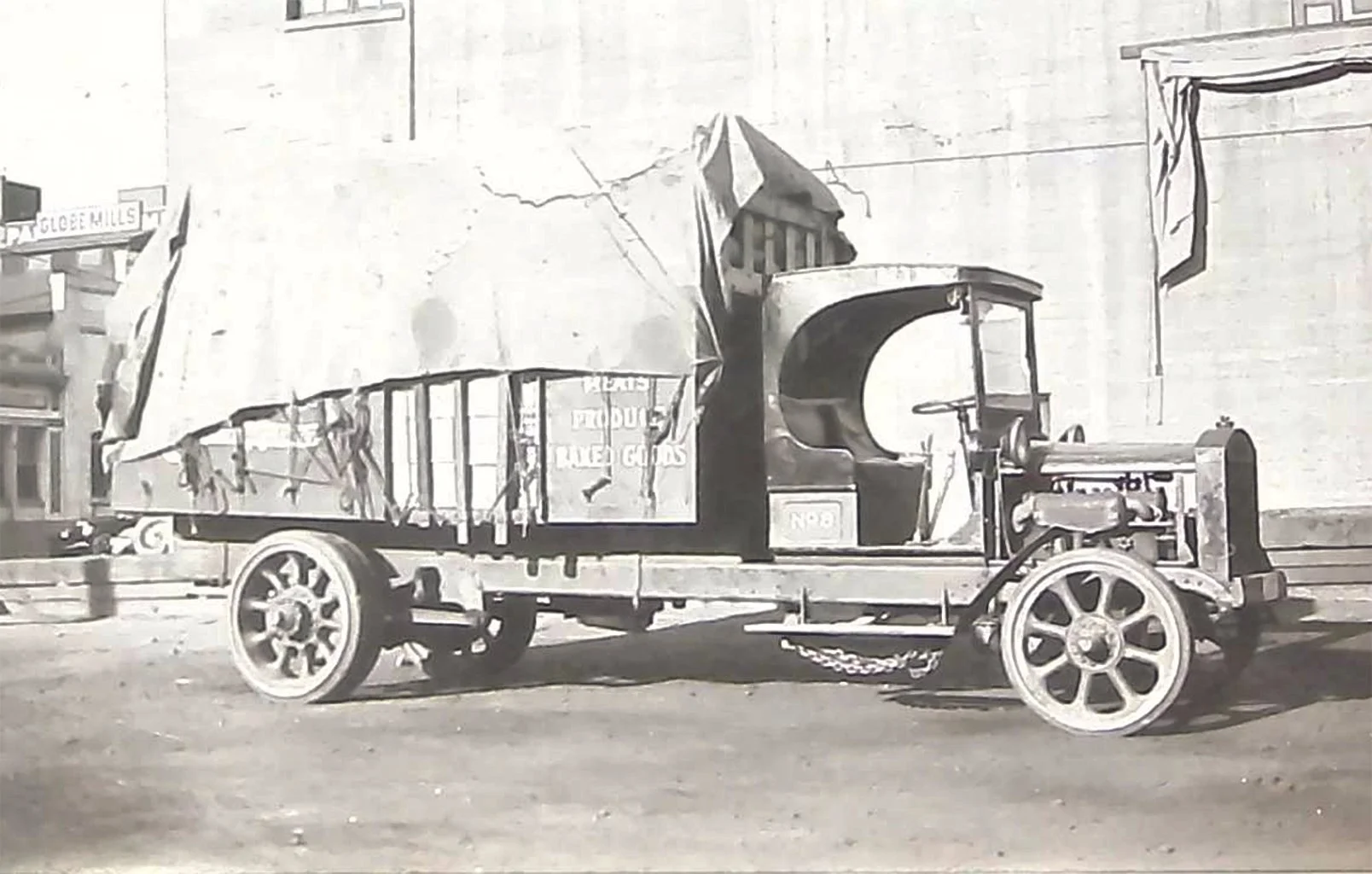
Moreland Truck
Long before Burbank, California, became the media capital of the world or home to aviation giants like Lockheed, it was an agricultural community of fruit orchards and sheep ranches. That all changed in the late 1910s when a massive 25-acre factory went up at the corner of San Fernando Road and Alameda Avenue.
The name on the side of the building? The Moreland Motor Truck Company.
Founded in Los Angeles in 1911 by visionary engineer Watt L. Moreland, the company was lured to Burbank in 1917 by city officials who raised $25,000 to purchase and donate the land. By 1920, the massive factory opened, and the trucks rolling off the line proudly bore the slogan: “Built in the West – for Western Work.”
Moreland didn't just build vehicles; they built rolling innovations specifically designed to conquer the brutal, unpaved inclines of the American West. Let’s take a look at the fascinating, diverse lineup of vehicles that made Burbank a powerhouse of early automotive history.
1. The Early Heavyweights (Models AX, RX, and More)
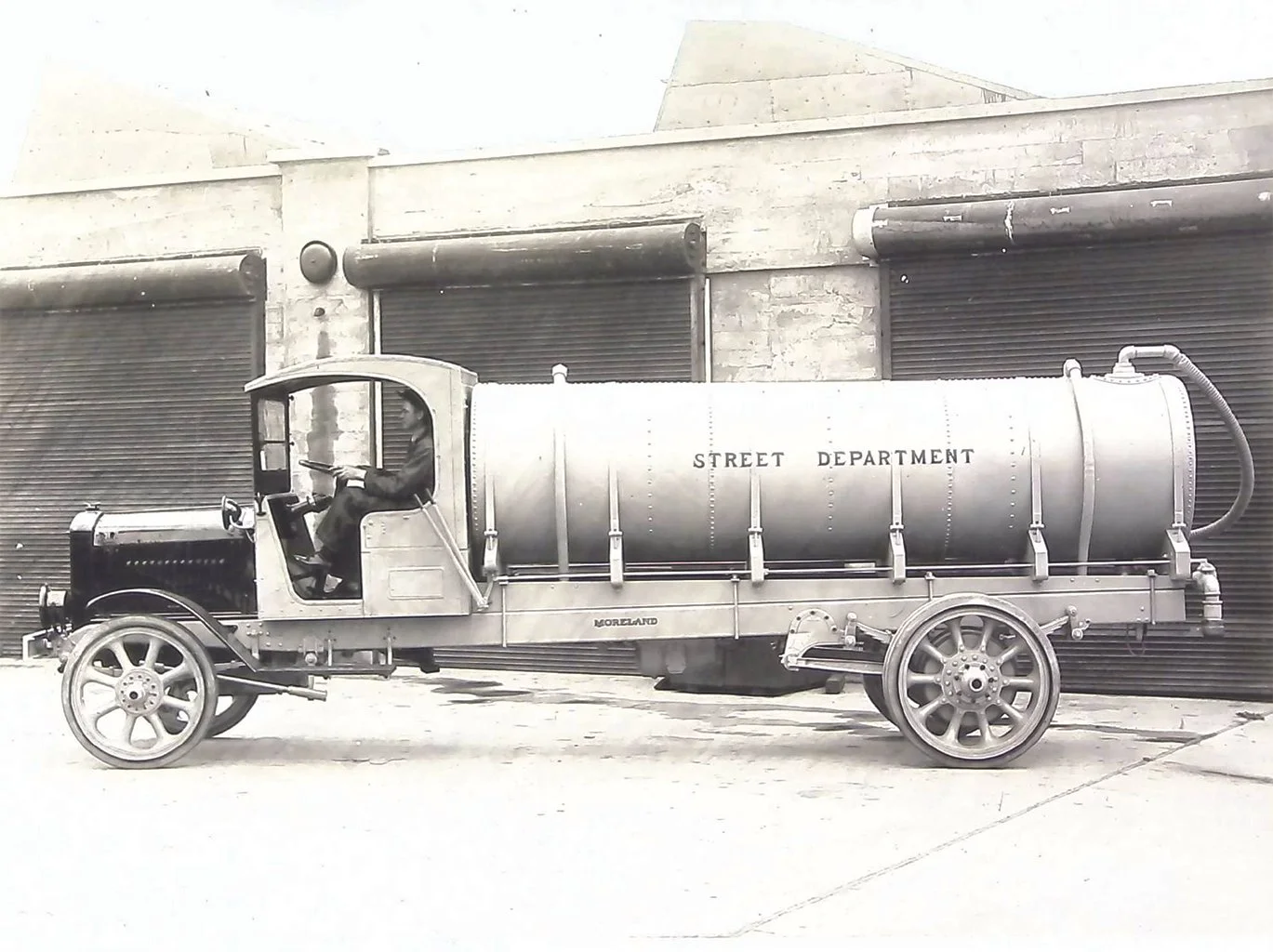
When Moreland arrived in Burbank, they brought with them a reputation for building tough, traditional commercial haulers. These massive utility vehicles were offered in weight capacities ranging from 1.5 tons up to 6 tons.
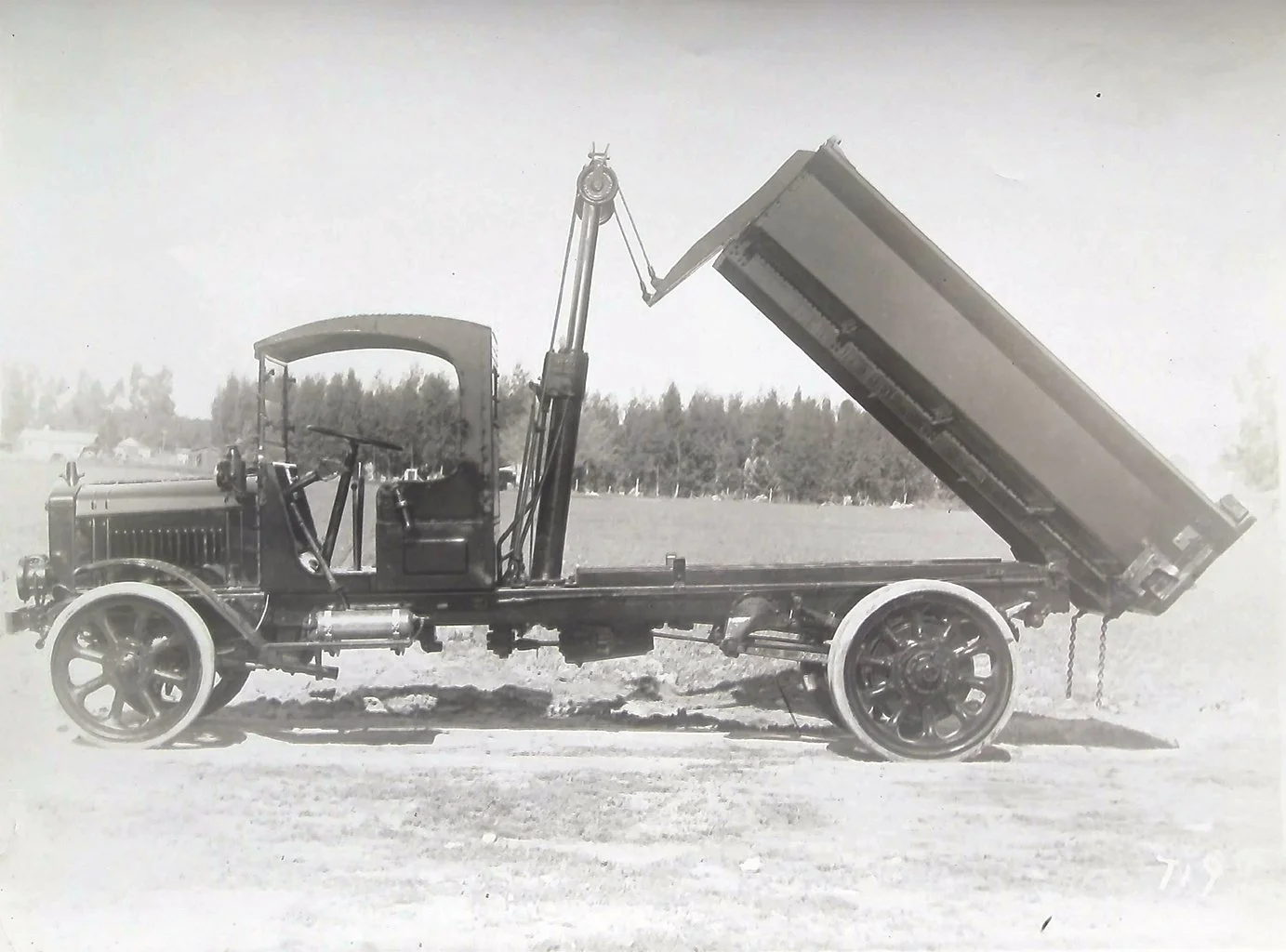
To manage the heavy payloads, early models relied on rugged chain drives and innovative driver-over-engine (cab-over) configurations to maximize cargo space. They combined reliable stock powerplants from Continental and Hercules with heavy-duty Brown-Lipe-Chapin transmissions. These early flatbeds, dump trucks, and oil haulers became absolute staples for West Coast logging companies and infrastructure projects.
2. The Multi-Axle Revolution: The TX6 Six-Wheeler
If there is one vehicle that cements Moreland's place in automotive history books, it’s the TX6, introduced in 1925.
Before this era, heavy-duty trucks were strictly two-axle vehicles. But the soft dirt roads and mountain passes of the West easily trapped heavy trucks or tore up the primitive pavement. Watt Moreland’s solution? The tandem rear axle.
The TX6 was a 10-ton monster featuring a revolutionary, self-designed equalizing rocker bogie that allowed the dual rear axles to pivot smoothly over uneven terrain.
The Cost: Around $7,000 (a massive fortune at the time).
The Impact: It distributed weight so safely that Moreland actually traveled to Washington D.C. to lobby for modern highway weight allowance laws.
The Legacy: The TX6 helped birth the concept of the long-haul semi-truck we see on highways today. It was so successful that it sparked major export orders to Central America, South America, the Philippines, and Australia.



3. The "Road Runner" and the Light Fleet
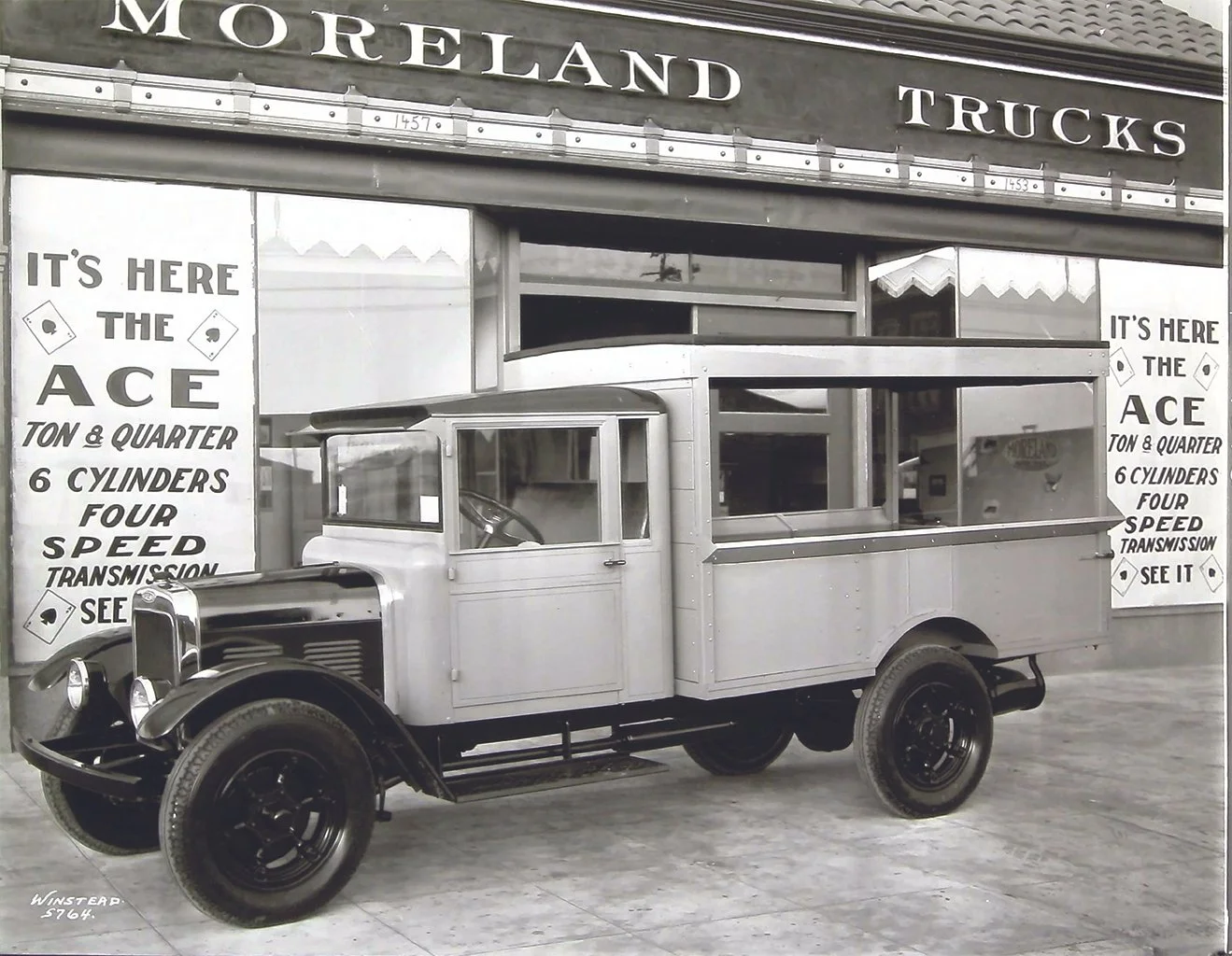
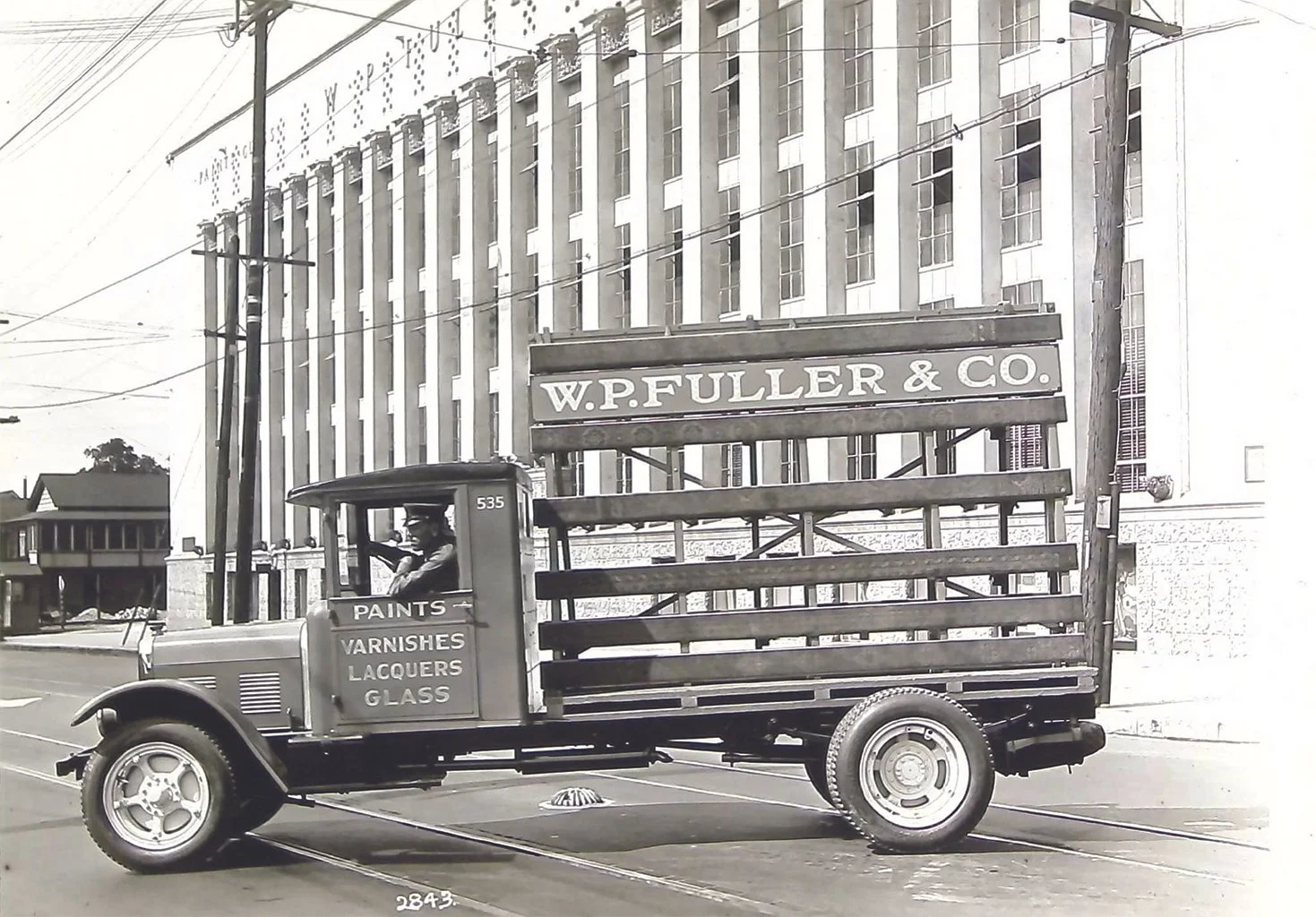
While Moreland was famous for its heavy-duty machinery, they recognized a massive market for fast, urban delivery vehicles. Enter the Moreland Road Runner in the mid-1920s.
Selling for an affordable $1,595, the Road Runner was a nimble 4-wheel commercial chassis designed for "low cost, high speed service." Powered by a 6-cylinder Continental "Red Seal" engine, it could zip through city streets at an impressive 40 mph with a 2-ton payload. It brought heavy-truck durability—like Timken bearings and Alemite lubrication—to small-business deliveries.
4. Fire Apparatus & Fleet Customization
Interestingly, Moreland never built specialized firefighting equipment in-house, but their commercial chassis were so infamously rugged that they became the top choice for early West Coast fire departments.
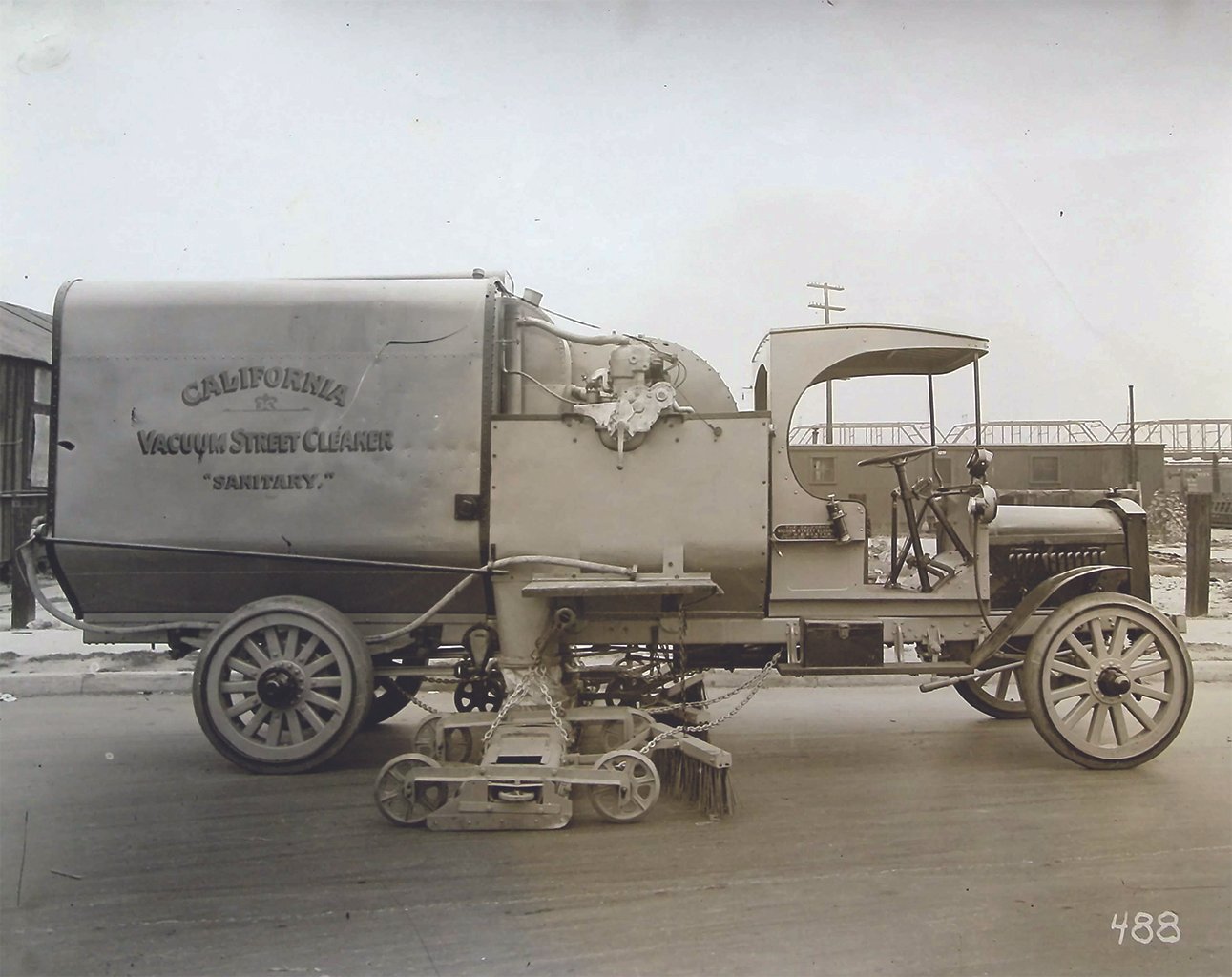
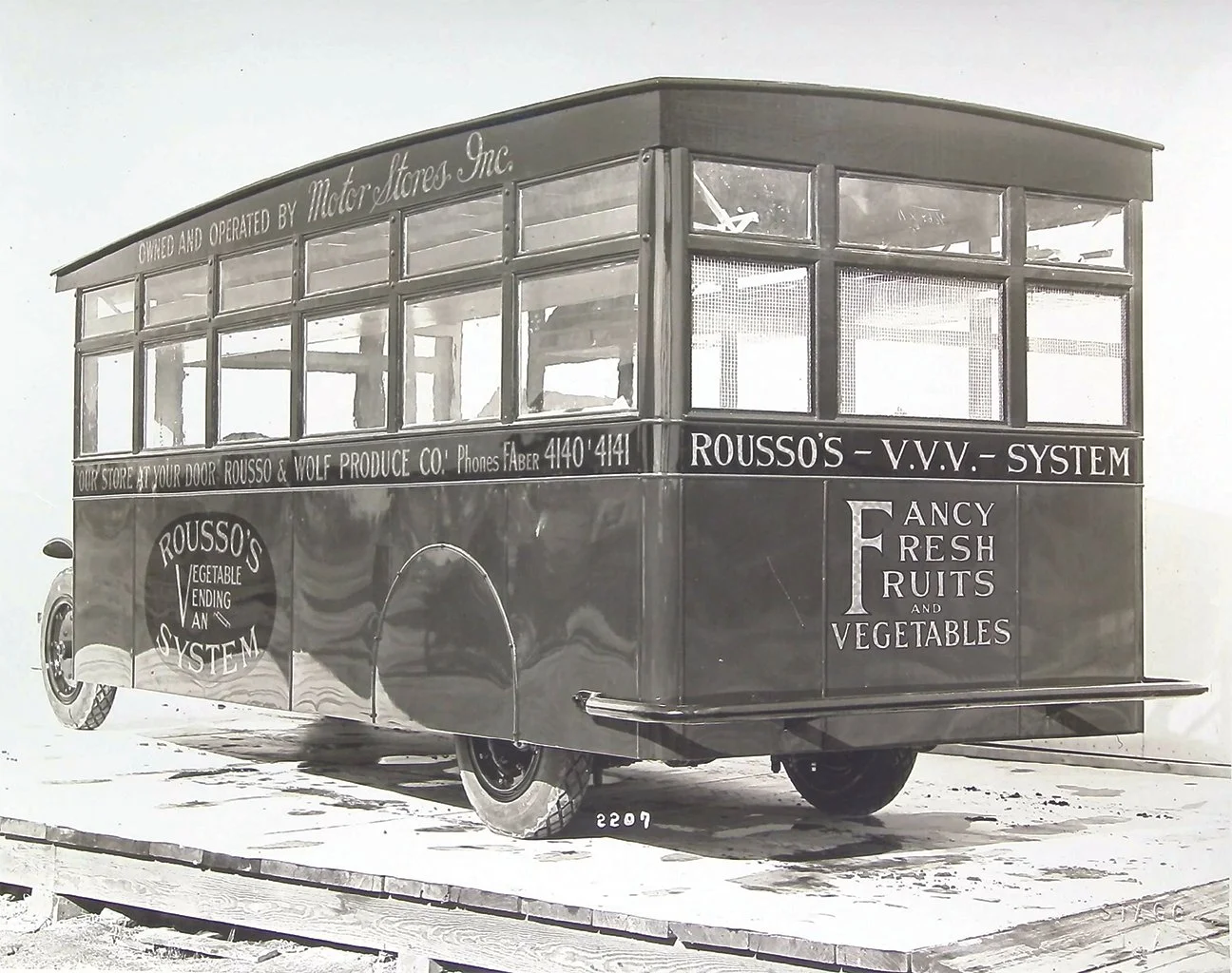
Third-party coachbuilders would buy a bare Moreland truck chassis straight from the Burbank factory floor and build custom fire engines, complete with water tanks, hoses, and ladders. Similarly, the company built massive custom trailers, specialized refrigeration units, and unique flatbeds for industrial clients.
5. The Double-Decker Bus That Almost Was
Moreland wasn't afraid to take massive creative risks. In 1924, they experimented with human transit by developing a massive, 6-wheel double-decker bus chassis.
It was a technological marvel for its time, outfitted with a 6-cylinder Continental engine, dual rear driving axles, Westinghouse air brakes, and Lockheed hydraulics. It was designed to carry a 60-passenger body. While it proved too expensive for bus operators to purchase at the time and never entered full mass production, the engineering lessons learned from the chassis directly paved the way for the legendary TX6 truck a year later.
The Sunset of a Burbank Icon
By 1929, Moreland was at its absolute peak, churning out nearly 1,000 trucks, trailers, and buses a year with hundreds of employees. They even began pioneering the use of fuel-efficient Cummins diesel engines and experimental lightweight aluminum alloys in vehicles like the 7-ton Californian.
Unfortunately, the Great Depression struck a fatal blow. By the mid-1930s, production plummeted to fewer than 40 custom trucks a year. When World War II hit, material shortages forced the company to stop truck production entirely in 1941, pivoting to a parts and service company until finally closing its doors for good in 1949.
The old factory buildings were later absorbed by Lockheed’s Vega aircraft division to build B-17 Flying Fortresses for the war effort—meaning the manufacturing infrastructure Watt Moreland built literally helped reshape the world. Today, a historical plaque marks the spot where the old factory stood, a quiet reminder of the rugged, innovative vehicles that first put Burbank on the industrial map.
