
The Heavyweight of History: How James J. Jeffries Put Burbank on the Map
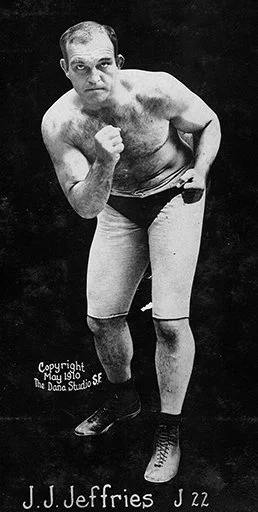
From Heavyweight Champ to Civic Leader
When you think of Burbank, images of Walt Disney Studios, Warner Bros., and the "Media Capital of the World" likely come to mind. But before the neon lights and soundstages, there was a man who put the city on the map through sheer grit and global fame.
That man was James J. Jeffries—known to the world as "The Boilermaker" and to locals as the man who helped shape the very identity of Burbank.
In 1899, Jeffries became the World Heavyweight Champion, a title he held undefeated for years. He was an athletic titan, but his heart belonged to the soil of the San Fernando Valley. In 1904, while still at the height of his fame, Jeffries purchased 107 acres of land in what was then a dusty, sparsely populated stretch of ranch land.
Why Jeffries Mattered to Early Burbank
Jeffries wasn't just a celebrity living behind a gate; he was a catalyst for growth. Here is why he is considered central to the city’s formation:
Global Recognition: At the turn of the century, Jeffries was one of the most famous men on Earth. By choosing to build his "Jeffries Ranch" here, he gave the fledgling town instant prestige and a "cool factor" that attracted other settlers and investors.
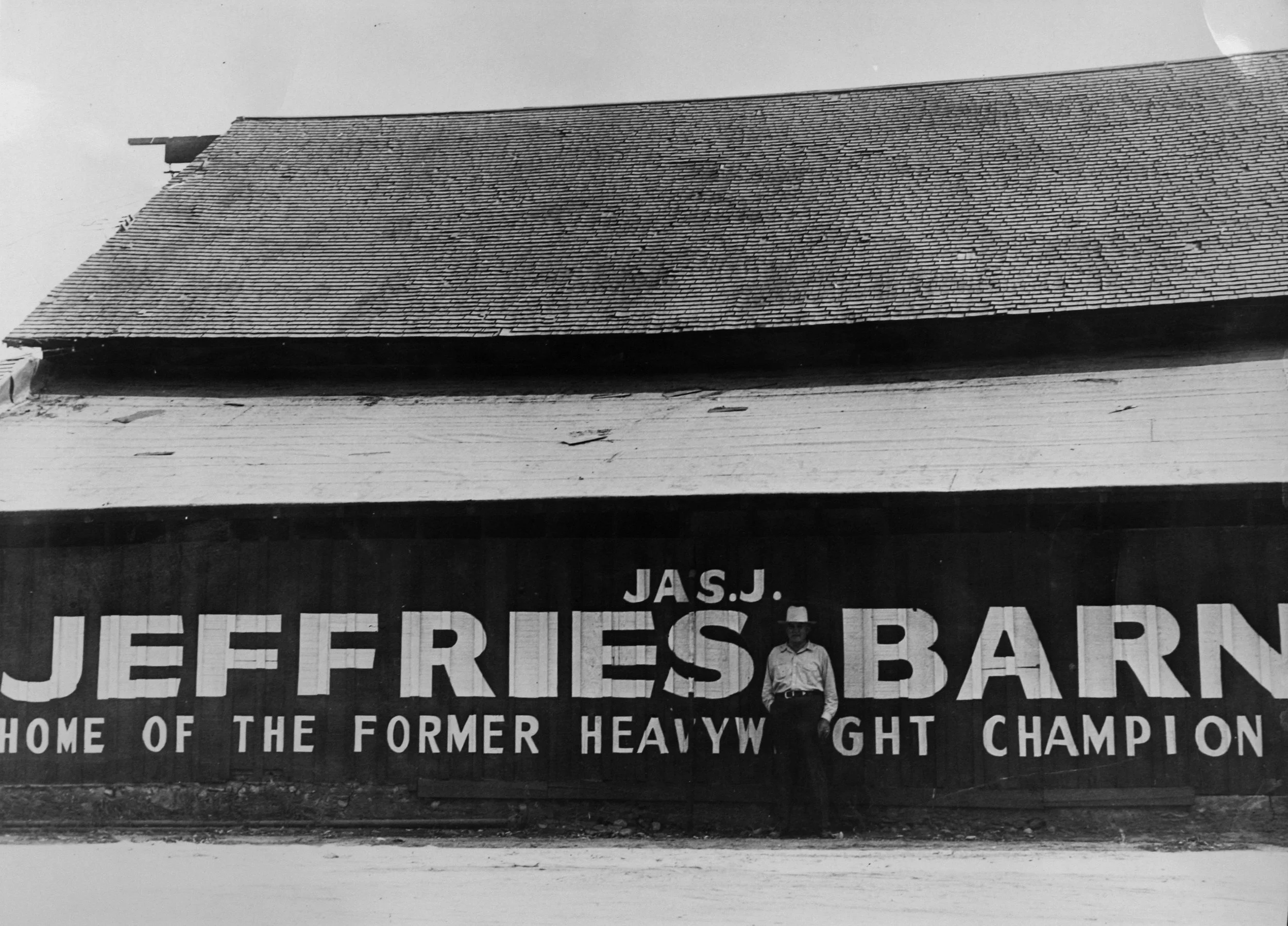
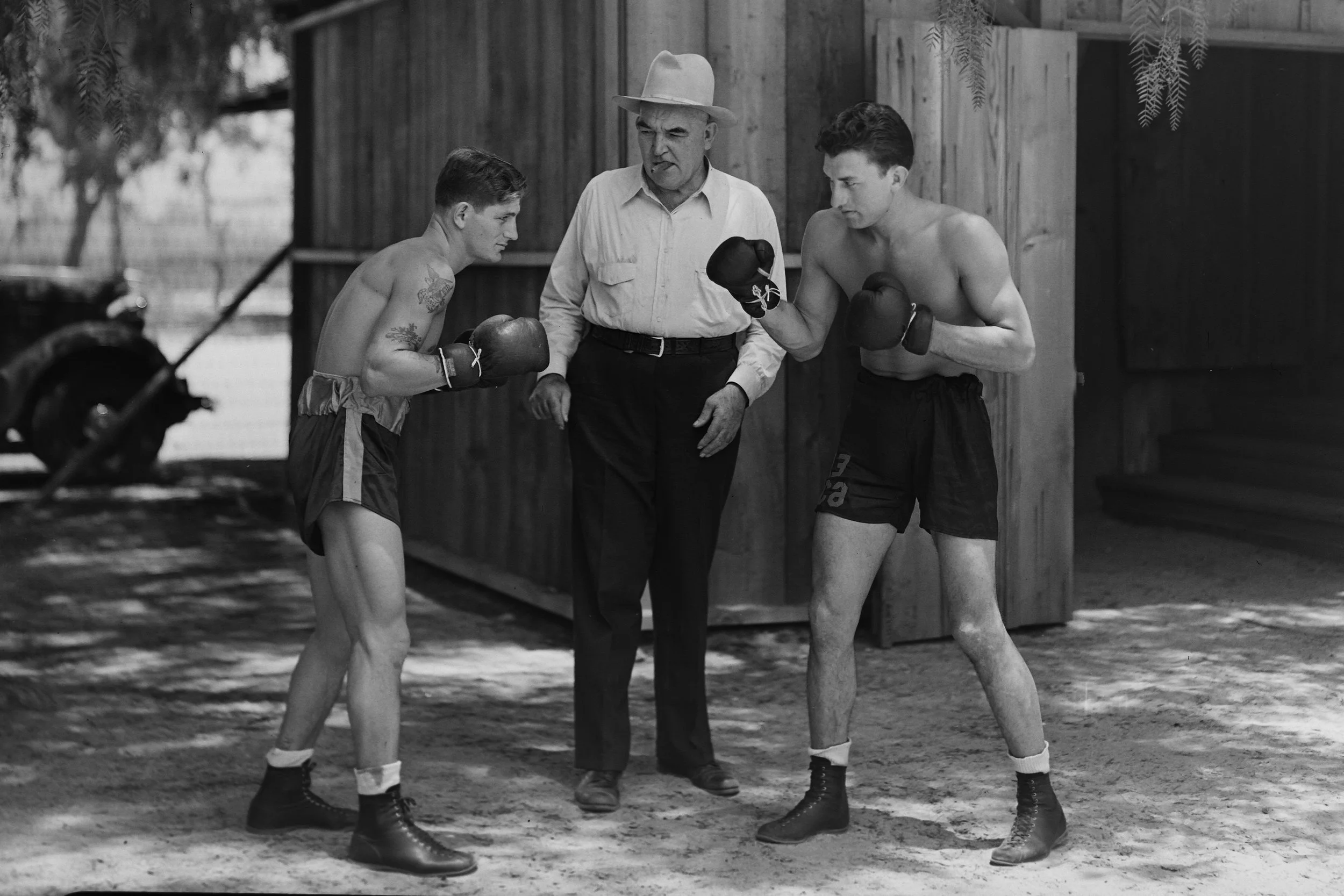
The Jeffries Barn: He built a large barn on his property that became a community hub. It wasn't just for livestock; it was a training camp for boxers and a gathering place for locals. This barn is so iconic to Burbank's history that it was later moved to Knott’s Berry Farm to be preserved as a museum.
Agricultural Roots: Before the studios arrived, Burbank was an agricultural powerhouse. Jeffries operated a successful ranch, raising prize-winning cattle and contributing to the local economy long before the first film cameras started rolling.
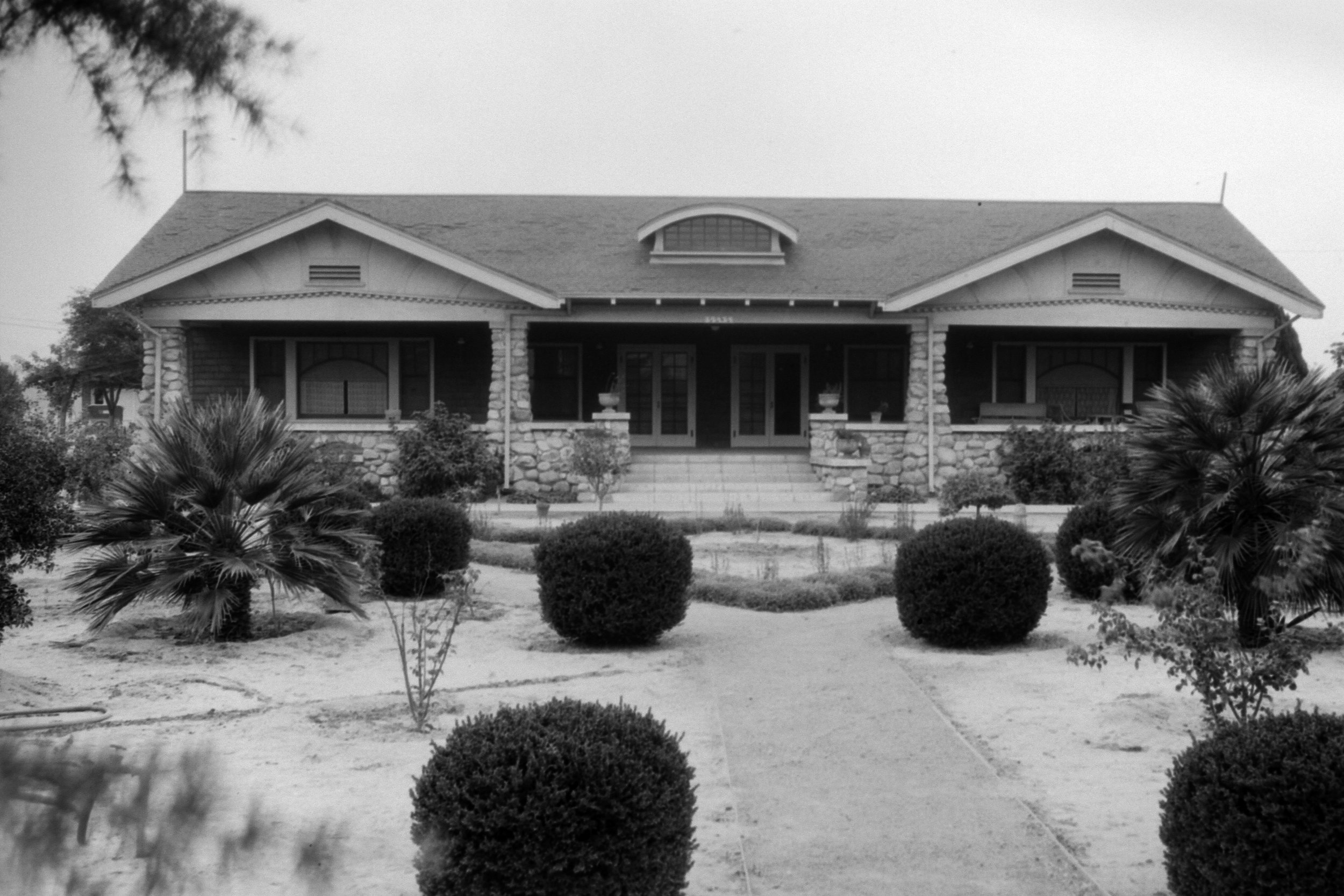
James J Jeffries Burbank Ranch
A Lasting Legacy: More Than Just a Name
If you drive through Burbank today, you’ll see his name on streets and landmarks. But his influence went deeper than a street sign.
Jeffries was known for his civic-mindedness. He was a frequent fixture at city events, a donor to local causes, and a symbol of the "tough but fair" spirit that characterized early 20th-century California. He lived in Burbank until his death in 1953, witnessing its transformation from a quiet ranching community into a bustling industrial and entertainment hub.
"I've been all over the world, but I never found a place I liked better than Burbank." — James J. Jeffries
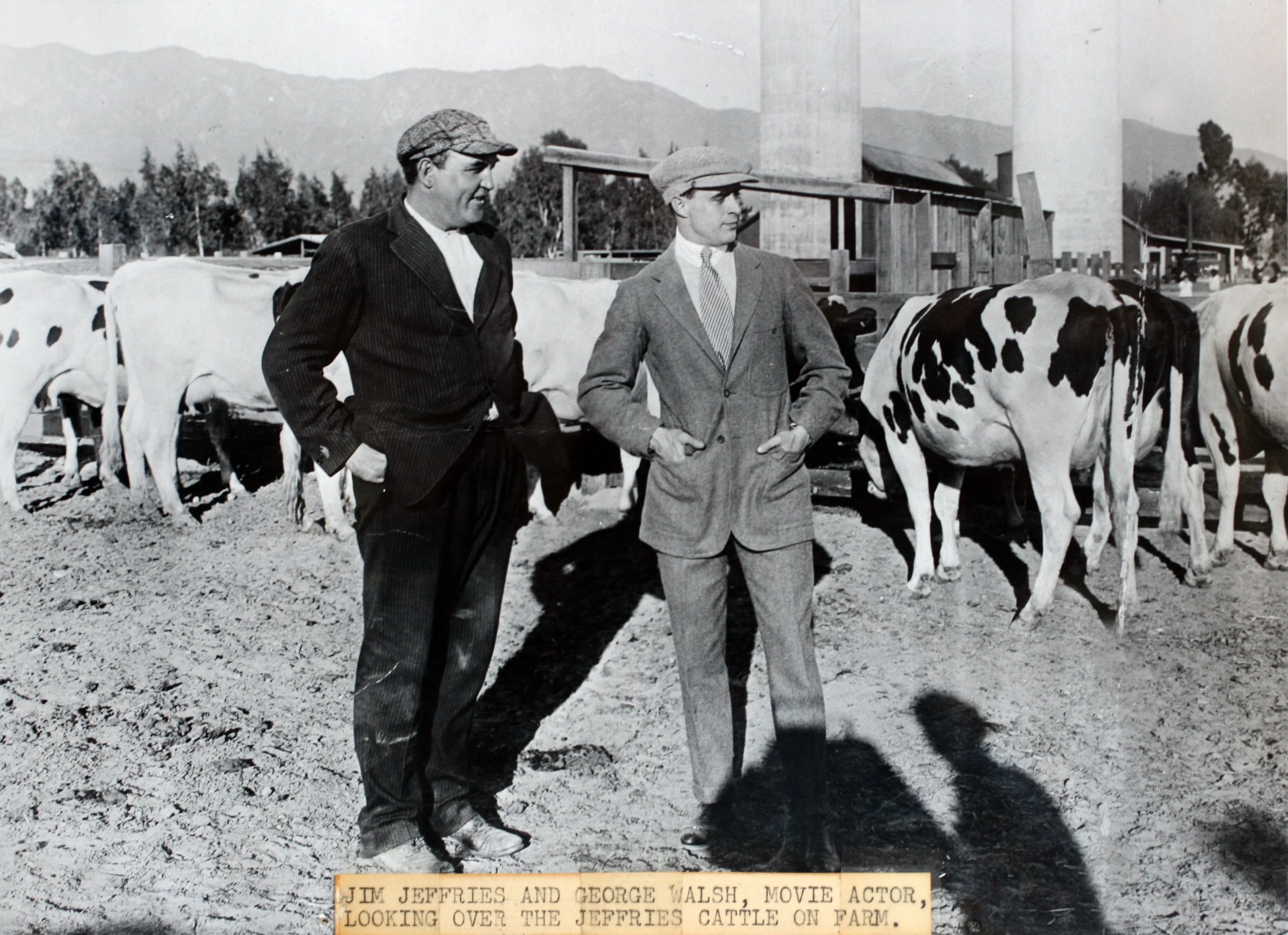
Why We Remember Him
James Jim Jeffries represents the bridge between Burbank's pioneer past and its modern identity. He proved that Burbank was a place where you could build a legacy, whether you were a world-class athlete or a family looking for a home.
Next time you’re walking near the Jeffries House or driving down Victory Boulevard, take a moment to remember the Heavyweight Champion who looked at a stretch of dirt and saw the future "Media Capital of the World."
